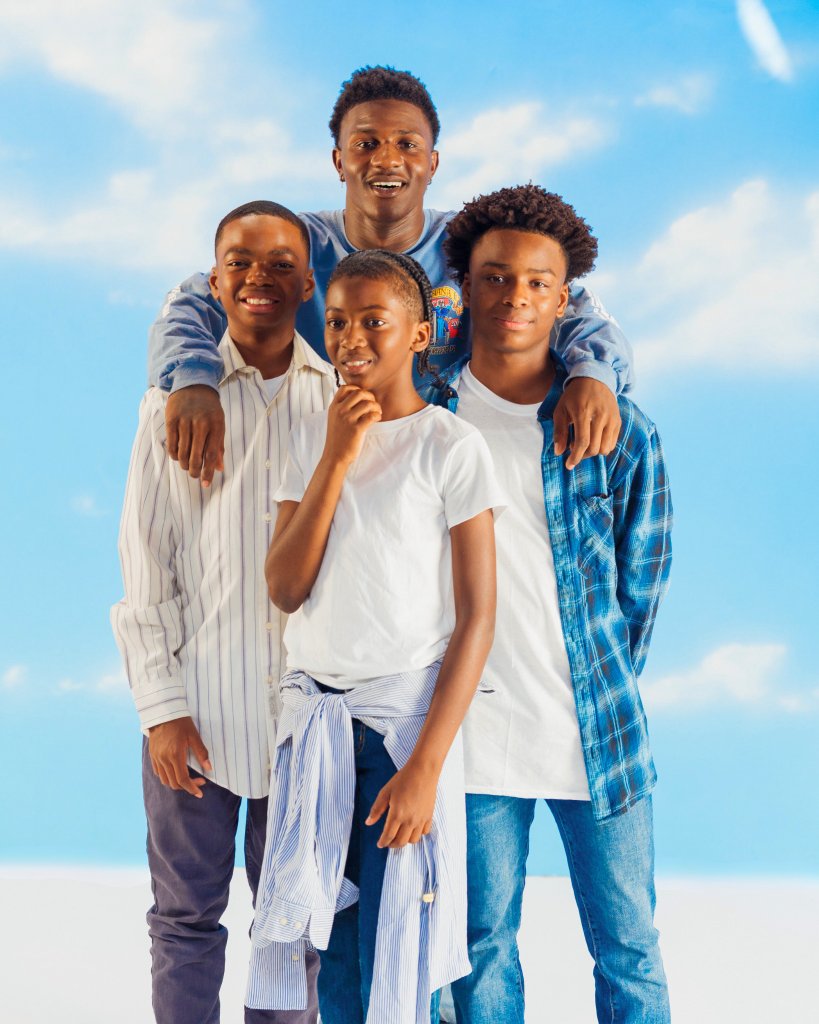
Corporate photography aesthetics don't work for nonprofit storytelling. Here's why documentary-style photography wins with funders and donors.
The Corporate Photography Problem
Many nonprofits default to corporate photography aesthetics:
- Overly posed shots
- Studio lighting
- Stock photo feel
- Disconnected from actual programming
The issue: These visuals lack authenticity—exactly what nonprofit storytelling requires.
What Documentary-Style Photography Delivers
Authenticity
Real moments, real participants, real impact:
- Unscripted interactions
- Natural environments
- Genuine emotions
- Actual program delivery
Why it works: Funders recognize the difference between staged and authentic documentation.
Narrative Depth
Documentary approach captures:
- Process, not just outcomes
- Context and environment
- Relationships and community
- Scale of operations
Result: Fuller understanding of organizational capacity.
Versatility
Documentary-style images work across:
- Grant applications
- Annual reports
- Social media
- Presentations
- Case statements
- Media outreach
Efficiency: One shoot serves multiple communication needs.
When Styled Photography Makes Sense
Limited Scenarios:
- Headshots and leadership portraits - Professional representation of staff and board
- Event photography - Galas, fundraisers, recognition events
- Marketing campaigns - Specific promotional materials with creative direction
Key distinction: These supplement, not replace, documentary program photography.
The Funder Perspective
Program officers and foundation staff look for:
Evidence of Real Programming
- Actual participants (with proper permissions)
- Working facilities
- Staff-participant interaction
- Scale indicators
Operational Credibility
- Professional program delivery
- Appropriate resources
- Community engagement
- Organizational capacity
Documentary photography delivers both.
Planning Documentary-Style Shoots
Preparation
- Permission protocols - Participant releases, photo policies
- Authentic programming - Shoot during regular operations, not staged events
- Multiple sessions - Capture variety over time
- Natural light - Minimize intrusive lighting setup
What to Capture
- Wide shots: Show facility scale and context
- Medium shots: Program delivery and interaction
- Detail shots: Materials, outcomes, participant engagement
- Environmental portraits: Staff and participants in natural settings
What to Avoid
- Posed lineups
- Forced smiles
- Excessive staging
- Disconnect from actual programming
Case Study: Grant-Ready Documentation
Youth Development Organization:
Before: Stock imagery and posed group shots Result: Generic application materials, 20% grant success rate
After: Documentary photography of actual programming over 3 months Result: Application materials showing real capacity, 45% grant success rate
Investment: $18,000 Additional funding secured: $240,000 in year one
The Documentary Advantage
Why this approach works for nonprofits:
- Trust building - Authenticity creates donor confidence
- Story complexity - Shows how programs actually work
- Participant dignity - Real people, real stories, proper representation
- Funding success - Meets what funders expect to see
Making the Right Choice
Ask potential photographers:
- "Show me documentary-style nonprofit work"
- "How do you capture authentic programming?"
- "What's your permission/release process?"
- "How do you minimize shoot disruption?"
Red flags:
- Only styled portfolio work
- Heavy post-processing
- Studio-focused practice
- No nonprofit experience
Ready for Authentic Visual Storytelling?
Schedule a consultation to discuss documentary photography for your next campaign or grant cycle.